Retains section-level reading order in a scanned multi-column paper, with headings continuing to guide the flow across columns and into the next section.
What was measured
Reading Order & Structure
Maintains headings, sections, column order, document hierarchy, and overall flow.
decisive for this rankingtransformation
Clean Markdown requires the original reading order, headings, sections, and hierarchy to be maintained correctly. (3 of 3 judges)
What was given, what came back
Test input: Scanned Research Paper · pdf · group: scanned-research-paper
Input — what we sent
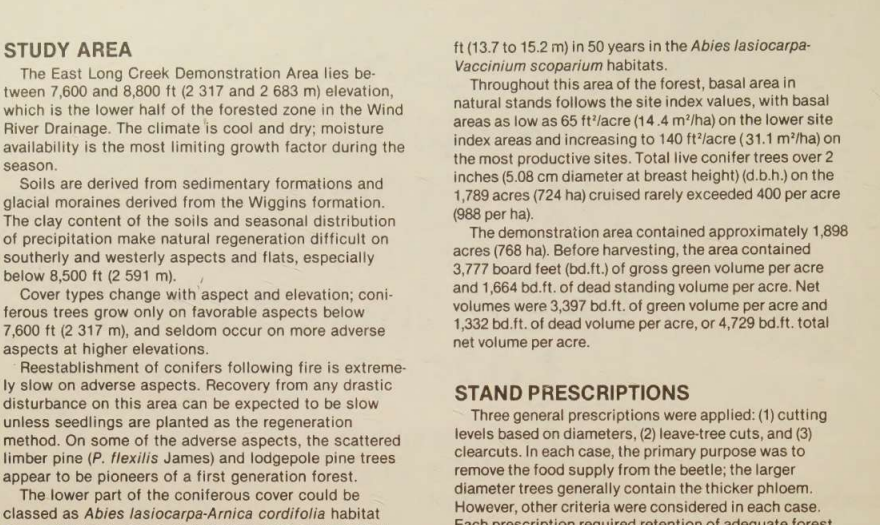
An image-only scanned research paper used to stress OCR and layout recovery in a multi-column academic document with figures, charts, tables, captions, and references.
Why this input is hard
- · OCR on scanned pages
- · Multi-column reading order
- · Figure and chart handling
- · Table reconstruction from scans
- · Caption association
- · Reference extraction
- · Overall document structure retention
Output — unretouched
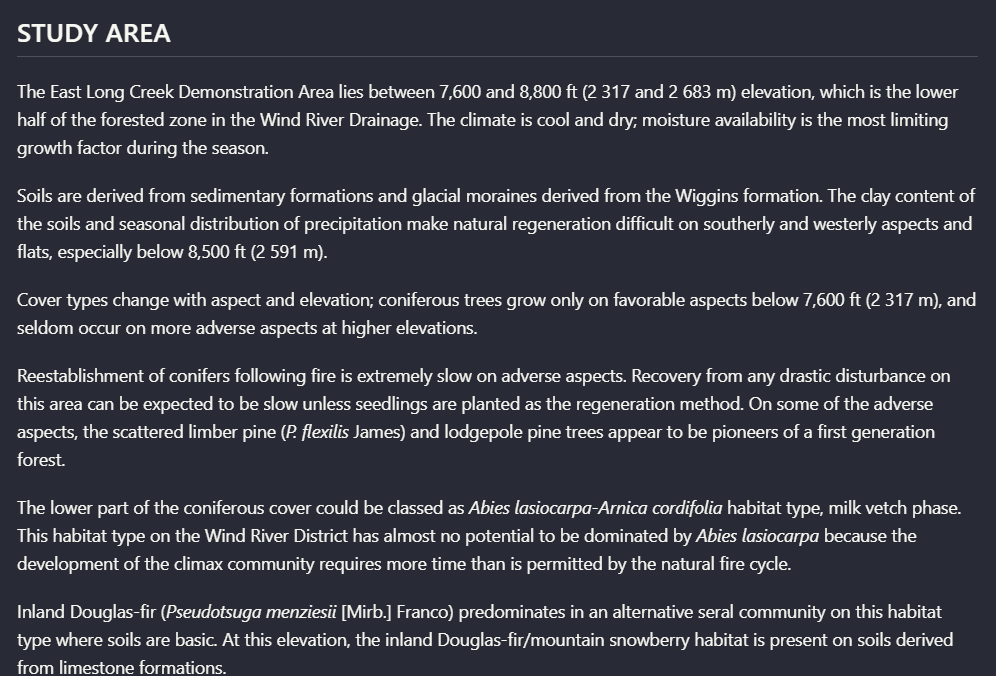
Also checked on this input — same tool, 4 other criteria
Advanced Features✓ WorkedPerforms dedicated chart extraction on a scanned bar chart, turning the figure into structured chart content with year-by-year values, treatment labels, and the 'CUT COMPLETED' annotation.Complex Document Handling◐ MixedOn the scanned research paper, section flow and chart extraction work, but hierarchical tables degrade, so mixed-content handling is uneven rather than consistently robust.Markdown Quality✓ WorkedRenders the scanned-paper extraction as structured markdown in the tool workflow, rather than only exposing raw OCR text.Table Preservation✗ FailedStruggles with hierarchical scanned tables, misplacing column headers and producing unreliable reconstructions on both the multicolumn table and the denser complex table.
Provenance
- Observation
- fc3553de-a932-4313-bb83-66645ce7441c
- Evidence run
- 6e3160de-fe46-4b45-b071-72560b5c5d0e
- Study
- Convert a Complex PDF into Clean Markdown with an API
- Research task
- 86b9h7t37
- Tested at
- not recorded
- Source
- first-party
- Evidence state
- verified
- Proof shown
- input + output shown
- Cost / latency
- not captured
- Repeat run
- not captured
- Tester
- not captured
The last three rows are honest blanks, not placeholders — our capture has no field for them yet.
Query this
get_evidence({
  tool: "tensorlake",
  scenario: "scanned-research-paper"
})
MCP · mcp.aidemos.com/api/mcp
Free with attribution.
Same input, same check — 8 other tools
measured on Reading Order & Structure
Adobe API✗ FailedDumps the scanned title page as a dense OCR block without section boundaries or other structural cues, so the document hierarchy is lost.Extend AI✓ WorkedReconstructs a multi-column research page so the 'STUDY AREA' heading, its paragraphs, and the following 'STAND PRESCRIPTIONS' section stay in order.Landing AI✓ WorkedReconstructs a dense two-column section with its hierarchy intact, keeping the section heading attached to the correct body text across the columns.LlamaParse✓ WorkedReflows a two-column scanned page into a single coherent reading order while preserving section-to-body flow.Mistral AI✗ FailedThe opening page loses the distinction between the document title and the abstract, flattening the semantic organization of the first page.Nutrient.io✗ FailedMisorders the first page so the abstract is placed before the title, showing a layout-reading-order inversion on the scanned article.Reducto⚠ StruggledDisplaces the byline by a full column: the author line that sits above the two-column split in the source is emitted only after the entire left column, and its footnote markers are rendered inconsistently.Upstage AI✗ FailedBreaks paragraph-level segmentation in the scanned two-column page, so the extracted text no longer follows the source column order cleanly.
This evidence is published in
Real inputs and real outputs, no retouching · every cell queryable via API & MCP · aidemos.com